
Regulators and platforms both tightened the rules in 2026, and the overlap between them is now the main compliance risk. The European Commission has escalated DSA enforcement, platforms expanded ad-serving restrictions, and AI disclosure now sits next to privacy law rather than beside it. Today, run a DPIA trigger check on any major product change, confirm your advertiser verification and Play Console status, and check age gating and claims on live creatives. The sections below walk through platform-specific steps and a 30/60/90 day plan.
TL;DR:
- Many platform enforcement actions now focus on account-wide signals rather than individual ads, increasing the risk if one creative triggers a violation.
- A DPIA trigger review should be assigned immediately, and advertisers must verify accounts and maintain consistent branding across all creatives to prevent flags.
- App developers face strict API deadlines and must check Play Console notices directly, adding age verification and clear AI content labels before releasing updates.
- Platforms demand comprehensive documentation, including risk assessments and data flow audits, to avoid penalties under evolving EU regulations and data protection laws.
- Implementing a phased 30/60/90 day compliance plan, with regular monitoring of policy updates and a detailed change log, is critical to managing the fast-changing regulatory landscape.
Table of Contents
- Key Takeaways for 2026 Platform Policy Changes
- Platform-by-Platform Breakdown of 2026 Policy Changes
- How 2026 Regulatory Changes Reshape Platform Obligations
- Developer Checklist for App Store and Play Console Changes
- Ad Compliance Checklist for Creative, Landing Pages, and Verification
- A 30/60/90 Day Action Plan for 2026 Compliance
- Monitoring Policy Changes and Triaging Risk
- Why Documentation Beats Reaction in 2026
- CloakingAd: Operational Support for Ad Approvals in Regulated Verticals
- FAQ
- Sources
Key Takeaways for 2026 Platform Policy Changes
Six forces are shaping enforcement risk this year, and most organizations are exposed to more than one at once.
- DSA enforcement intensified: the Commission has opened investigations and issued formal notices tied to how platforms assess risks from service changes.
- Google’s Limited Ad Serving expanded: more accounts are being flagged “unqualified,” with reinstatement tied to identity and trust signals rather than single ad edits.
- Play Console target API deadlines moved up: apps missing the required API level face removal, not just a warning.
- Meta rewrote its health and wellness policy: enforcement now groups several prohibited commercial practices under one consolidated standard.
- The EDPB aligned DSA and GDPR expectations: Guidelines 3/2025 on the interplay between the DSA and the GDPR make clear that DPIAs are expected where systemic risks to fundamental rights show up in a platform’s design.
For most teams, five actions carry the most risk reduction per hour spent:
- Assign a DPIA trigger review to legal or privacy ownership this week.
- Have ad ops confirm advertiser verification status on every active account.
- Have engineering confirm Play Console target API compliance before the next release.
- Audit live creatives for missing age gates or unsupported health and finance claims.
- Log every policy-driven change with a date and rationale, in case of an audit.
The European Commission’s 2026 DSA report documents growing supervisory activity, including the first formal non-compliance decisions issued under the DSA. That shift from warnings to decisions is the clearest sign that documentation gaps are now a real liability, not a theoretical one.
Platform-by-Platform Breakdown of 2026 Policy Changes
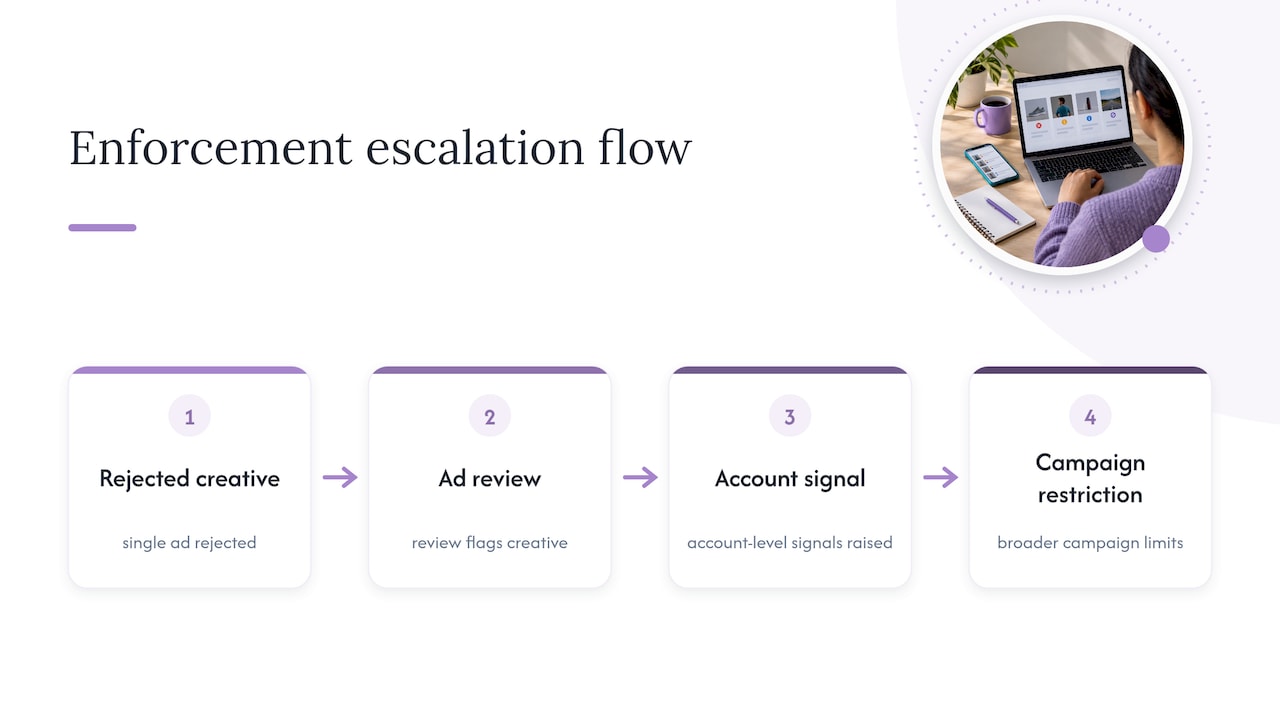
Each major platform moved enforcement toward account-level signals in 2026, which means a single bad creative can now cost you the whole account rather than just one ad.
Google Ads and Limited Ad Serving
Google’s Limited Ad Serving policy expanded this year to cover more scenarios where an account gets marked “unqualified,” restricting how widely its ads can run. Qualification depends less on any one ad and more on sustained signals: a verified advertiser identity, a consistent domain across creatives and landing pages, and a history of positive user engagement rather than complaint-driven removals. When an account is limited, the remediation path is the Limited Ad Serving Appeals Form, but appeals only succeed when the account shows genuine fixes, not just a resubmitted ad.
Google Play and target API deadlines
Play Console tightened two things at once in 2026: app registration requirements and target API level deadlines. Apps that miss the required API level risk removal from the store, not a soft warning, so engineering teams need to check Play Console notices directly rather than relying on release-note summaries passed along secondhand. Policy updates also added age requirements for apps that offer random or anonymous chat features, and new disclosure rules apply to apps that generate content using AI, which now need to label that content clearly inside the app experience.
Meta: health claims, prohibited practices, and identity
Meta rewrote its health and wellness advertising policy this year, consolidating several previously separate prohibited commercial practices into a single standard that reviewers apply more consistently. The practical effect is that the “borderline” health or supplement ad that used to slip through now gets flagged under a broader rule. Meta also leaned harder into identity verification, so advertisers running multiple accounts or agencies managing several clients should expect more frequent verification requests tied to ad account access. Teams working through Meta’s review process for sensitive categories can find a step-by-step walkthrough in our Meta ad verification and compliance guide.
TikTok, X, and YouTube
TikTok tightened disclosure requirements for synthetic and AI-generated content in ads, requiring clearer labeling when a video uses AI-generated voices, faces, or scenes. X has continued refining its ad transparency rules around political and issue-based advertising, with more documentation required before those ad types run. YouTube expanded content moderation around health misinformation and tightened monetization rules tied to AI-generated content that isn’t disclosed as such. Across all three, the common thread is the same: undisclosed AI content and vague advertiser identity are the two fastest paths to a rejection or suspension.
Common rejection triggers and quick fixes
A handful of issues account for most of the disapprovals and account flags teams are seeing this year:
- Unclear advertiser identity: fix by completing verification and keeping your business name and domain consistent across every creative and landing page.
- Unsupported claims: fix by removing comparative or superiority language on health, weight, or financial outcomes unless you can document the claim.
- Missing age gates: fix by adding age verification steps to any chat, dating, or anonymous messaging feature before the next submission.
- SDK or data leaks: fix by auditing third-party SDKs for data collection that isn’t disclosed in your privacy policy or app manifest.
Pro Tip: Pin your advertiser name and domain identically across every platform account; mismatched branding is one of the most common reasons accounts get flagged for manual review.
How 2026 Regulatory Changes Reshape Platform Obligations
Three regulatory threads converged in 2026, and together they explain why platforms are asking for more documentation than before.
The Digital Services Act is the most active one. The European Commission’s DSA enforcement page shows the Commission has moved from monitoring to formal proceedings, including letters of formal notice and investigations into very large online platforms (VLOPs) over how they assess risks tied to service changes. Platforms that fail to document those risk assessments face fines and supervisory measures under the DSA.
Running alongside that is the EDPB’s effort to align the DSA with existing data protection law. Its updated guidelines on the DSA and GDPR interplay, adopted in September 2026, state that DPIAs and data-protection-by-design measures are likely required wherever a platform’s systemic risk assessment under the DSA identifies risks to fundamental rights. In practice, that means ad-targeting pipelines and recommender systems increasingly need a combined review that covers both DSA risk categories and GDPR data processing categories at once, not two separate checklists filed by two separate teams.
A third thread concerns generative AI specifically. The EDPB’s guidelines on web scraping in the context of generative AI, adopted in July 2026, require controllers to apply filters, exclusion criteria, and deletion processes so that scraped training data doesn’t capture special categories of personal data. Any organization using third-party data to train or fine-tune models should treat that data pipeline as a compliance control, not just an engineering choice.
- Document your DSA systemic-risk assessment whenever you ship a major product or ranking change.
- Map ad-targeting and recommender logic to both DSA and GDPR categories in one combined review.
- Apply scraping filters and deletion processes before using third-party data for AI training.
- Track US state privacy law deadlines separately, since obligations like consumer opt-out rights and data access requests vary by state and rarely align with EU timelines.
Developer Checklist for App Store and Play Console Changes
Engineering teams carry a disproportionate share of 2026 compliance risk because app removal happens fast and often with little warning.
- Check your target API level against current Play Console requirements and confirm your app registration status directly in the console, not from a forwarded summary.
- Add age gating to any chat, messaging, or anonymous social feature, since new policy explicitly targets these app types.
- Add in-app disclosure labels for AI-generated content wherever your app produces text, images, or audio using a model.
- Audit every third-party SDK for the data it collects, then update your privacy labels and app manifest to match what those SDKs actually do, not what they did a year ago.
- Confirm server-side data flows match your stated privacy policy, since mismatches between disclosed and actual data handling are a common trigger for enforcement.
Pro Tip: Run your SDK audit before your next release cycle, not after; a flagged data leak found post-launch usually costs more in remediation time than the audit itself.
Ad Compliance Checklist for Creative, Landing Pages, and Verification
Ad ops and marketing teams can cut disapprovals substantially by treating identity and documentation as part of the creative process, not an afterthought.
- Complete advertiser verification on every account and keep your business name and domain identical across all creatives and landing pages to reduce Limited Ad Serving risk.
- Avoid inferiority or comparison framing on health and weight claims, since reviewers across Google, Meta, and TikTok now flag this pattern more aggressively than in past years.
- Disclose sponsored or AI-generated content clearly, matching the platform’s specific labeling requirement rather than a generic “ad” tag.
- Keep landing pages transparent, with visible contact information, clear terms and conditions, and claims that match what the ad promises.
- Build positive engagement signals over time, since accounts with a longer history of clean performance are less likely to be flagged even when one creative draws scrutiny.
High-risk verticals like CBD, crypto, and supplements face an extra layer: platforms generally expect documented proof of legal sourcing, licensing, or lab testing before approving ads, and targeting is often restricted by age or region regardless of the creative itself. Teams in crypto specifically should review how verification requirements now shape safe crypto advertising strategies before launching a new campaign.
Pro Tip: Keep a dated screenshot archive of every approved ad and landing page version; when a platform flags an account months later, that archive is often the fastest way to prove the creative complied at the time it ran.
A 30/60/90 Day Action Plan for 2026 Compliance
A phased plan keeps remediation from turning into a scramble every time a platform updates its policy pages.
30 days:
- Audit the health of every active ad account across platforms, flagging any already under review or limited.
- Pull every Play Console notice from the last quarter and check target API compliance against it.
- Build a DPIA trigger list covering any product or ranking change shipped in the last six months.
60 days:
- Complete creative fixes for unsupported claims, missing disclosures, and inconsistent advertiser branding.
- Add age gates to any flagged chat or anonymous features identified in the developer audit.
- Log every change with a date, the policy it responds to, and who approved it.
90 days and ongoing:
- Schedule recurring policy page reviews, since platforms update these pages without much advance notice.
- Set up automated monitoring for policy changes rather than relying on manual checks alone.
- Route any material change through legal sign-off before it ships.
| Phase | Primary owner | Key evidence to retain |
|---|---|---|
| 30 days | Legal/privacy lead | DPIA trigger list, ad account audit results |
| 60 days | Ad ops and engineering | Creative change log, age-gate implementation record |
| 90 days | Compliance/governance lead | Monitoring setup, legal sign-off records |
Retain ticket IDs, dated policy change logs, and DPIA documents as your evidence set. If a platform or regulator ever asks why a change was made, a dated log beats a reconstructed explanation every time.
Monitoring Policy Changes and Triaging Risk
Policy pages change quietly and often, so a repeatable monitoring habit matters more than any single audit.
- Watch platform policy pages directly (Google Ads support, Play Policy updates) rather than relying on secondhand summaries.
- Track regulator sources, including the European Commission’s DSA enforcement updates, EDPB guidance releases, and relevant state attorney general notices.
- Score each change by severity: account-level enforcement risk gets escalated faster than a cosmetic wording update.
- Set SLA targets for fixes, such as 48 hours for anything tied to active ad spend and two weeks for lower-risk items.
- Keep dated records of what changed and when you responded, since that record is what regulators and platforms ask for during a review.
Pro Tip: Assign one person to own policy monitoring even in a small team; shared ownership usually means no one checks until something breaks.
Why Documentation Beats Reaction in 2026
The organizations handling 2026 policy changes well aren’t the ones with the biggest legal teams. They’re the ones where privacy, ad ops, and engineering talk to each other before a product ships, not after a platform flags it.
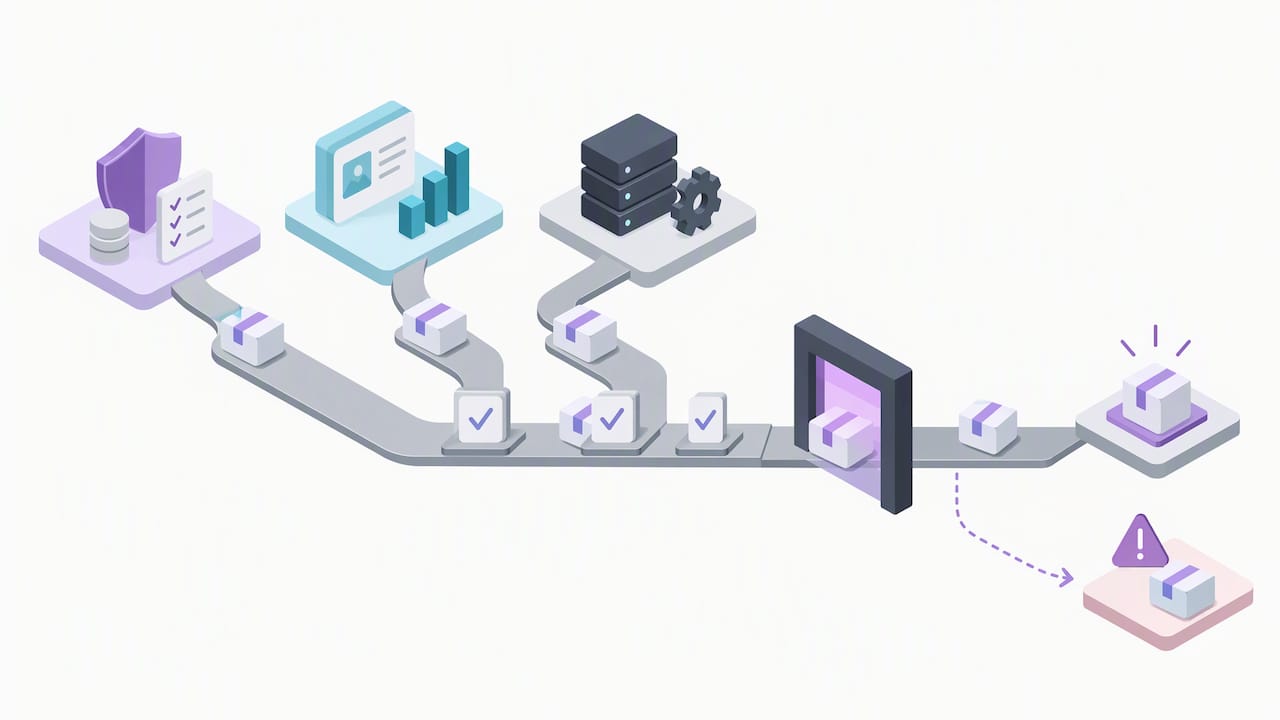
The most common mistake is siloed ownership: privacy teams run DPIAs without ad ops in the room, and engineering ships a feature without checking whether it triggers an age-gating requirement. The second most common mistake is bringing developers into compliance conversations too late, after the API deadline has already passed.
Simple governance, a shared log, a named owner, a recurring review, prevents more enforcement action than any single clever fix. Regulators and platforms alike reward organizations that can produce a dated paper trail, not ones that can argue their case after the fact.
— Umar
CloakingAd: Operational Support for Ad Approvals in Regulated Verticals
Policy changes hit hardest in verticals where platforms already treat the content as sensitive, think CBD, kratom, peptides, crypto, forex, pharma, and similar categories. For businesses in those spaces, we set up the technical and account-level infrastructure that keeps ads running even as review standards tighten.
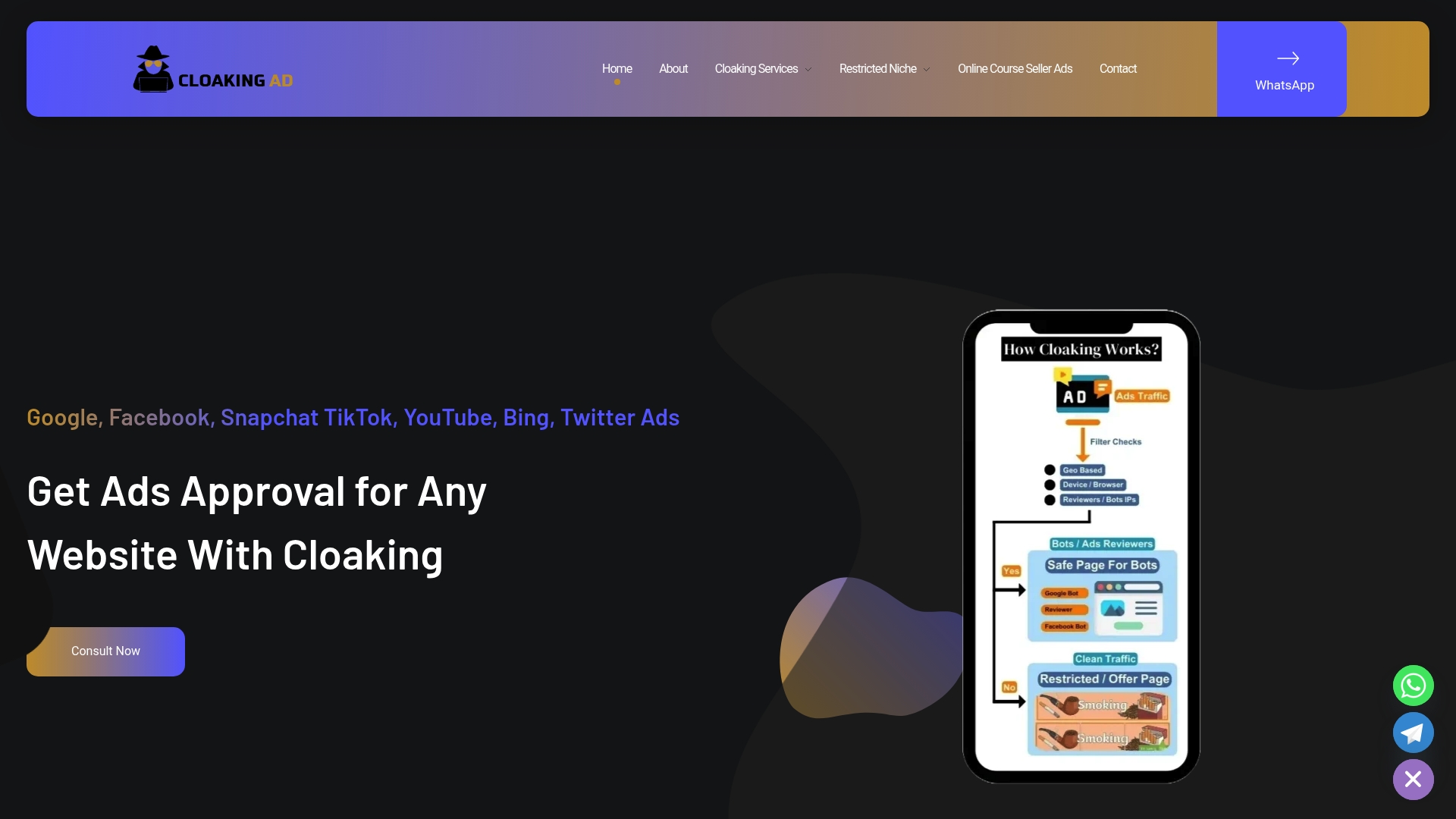
We offer consultation calls to help identify approval barriers, setup of cloaking systems for teams managing their own campaigns, and managed services for ongoing account support. This fits teams that need account stability and faster approvals in categories where standard ad accounts get flagged repeatedly regardless of how clean the creative is.
- Consultation calls to diagnose reasons for account limitations or rejections.
- Cloaking system setup services for teams managing their own campaigns.
- Managed service engagements for ongoing support during the approval process.
If your ad accounts in a high-risk category keep hitting the same walls, start with a consultation call to find out what’s actually blocking approval.
This article is general information, not a substitute for advice from a qualified lawyer. Consult a qualified legal professional about your own circumstances before acting on anything here.
FAQ
Why are companies updating their privacy policies in 2026?
Companies are updating privacy policies because regulators tightened expectations this year, particularly the EDPB’s guidance clarifying when DPIAs are required under the overlap between the DSA and GDPR. US state privacy laws also continue adding new consumer rights and opt-out mechanisms, pushing companies to update disclosures to match each state’s specific requirements.
What are the key changes in Meta’s ad policy for 2026?
Meta rewrote its health and wellness advertising policy in 2026, consolidating several previously separate prohibited commercial practices into one broader standard that reviewers apply more consistently. Meta also increased emphasis on advertiser identity verification, affecting agencies and advertisers managing multiple ad accounts.
What are platform policies?
Platform policies are the rules a service like Google, Meta, TikTok, or YouTube sets for what content, ads, and data practices are allowed on its platform. They cover areas like advertiser identity, prohibited claims, age restrictions, and disclosure requirements, and violating them can lead to ad disapprovals or account-level restrictions rather than just a single removed post.
What’s ahead for cybersecurity in 2026?
Cybersecurity expectations in 2026 increasingly tie into procurement and cloud security standards, including updated guidance like FedRAMP’s 2026 rules for providers, which affects how organizations evaluate cloud vendors. Data protection regulators are also pushing stricter controls around AI training data, including filtering and deletion requirements for scraped datasets.
How quickly can a flagged ad account get reinstated?
Reinstatement timing depends on the platform and the specific violation, but accounts typically need to show documented remediation, such as completed advertiser verification or corrected claims, before an appeal succeeds. There’s no fixed guaranteed timeline across platforms, so teams should treat the appeal as a process that requires evidence, not a quick resubmission.
Sources
- DSA enforcement — European Commission
- Guidelines 3/2025 on the interplay between the DSA and the GDPR — EDPB
- Report on the operation of the DSA — European Commission (COM(2026) 147 final)